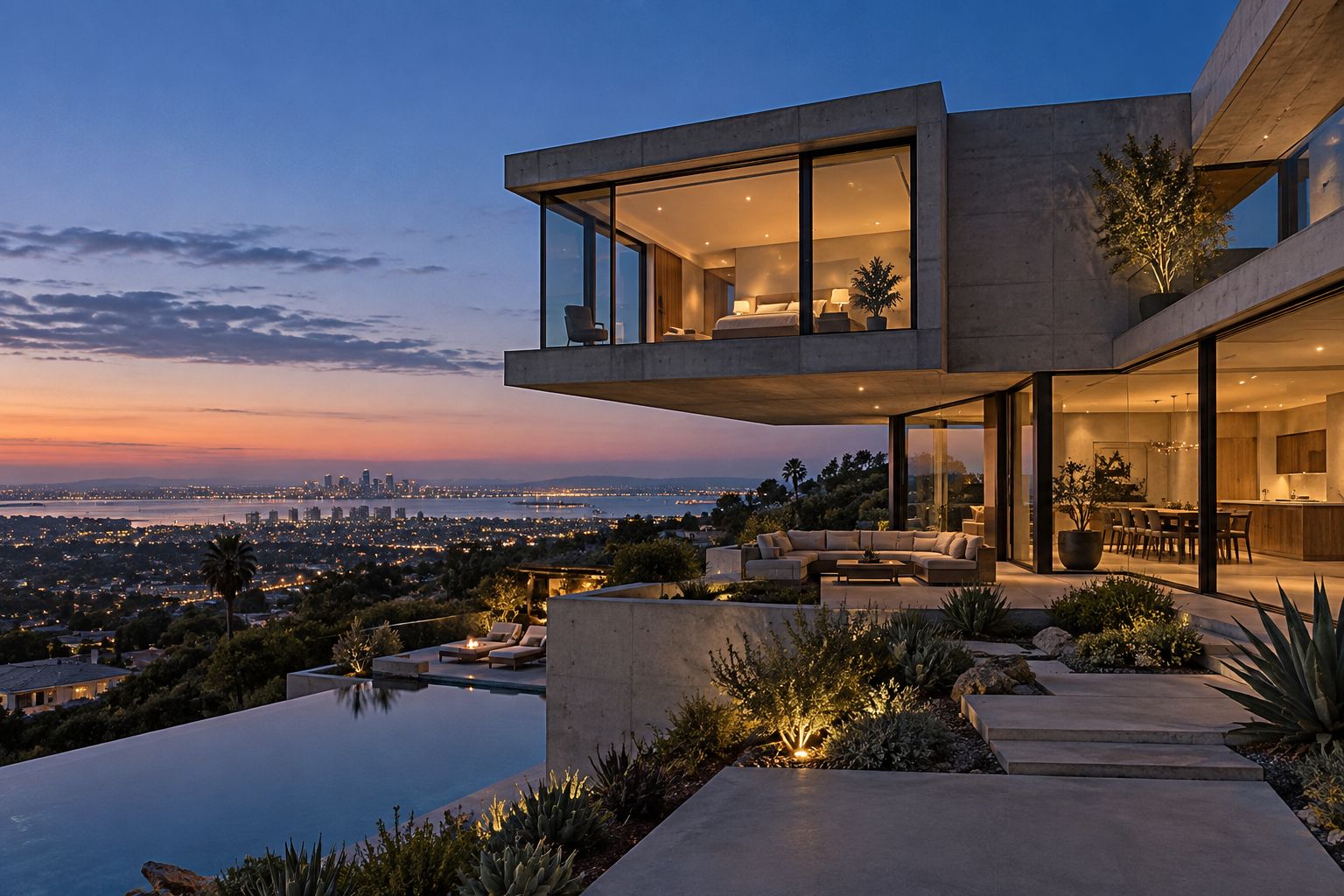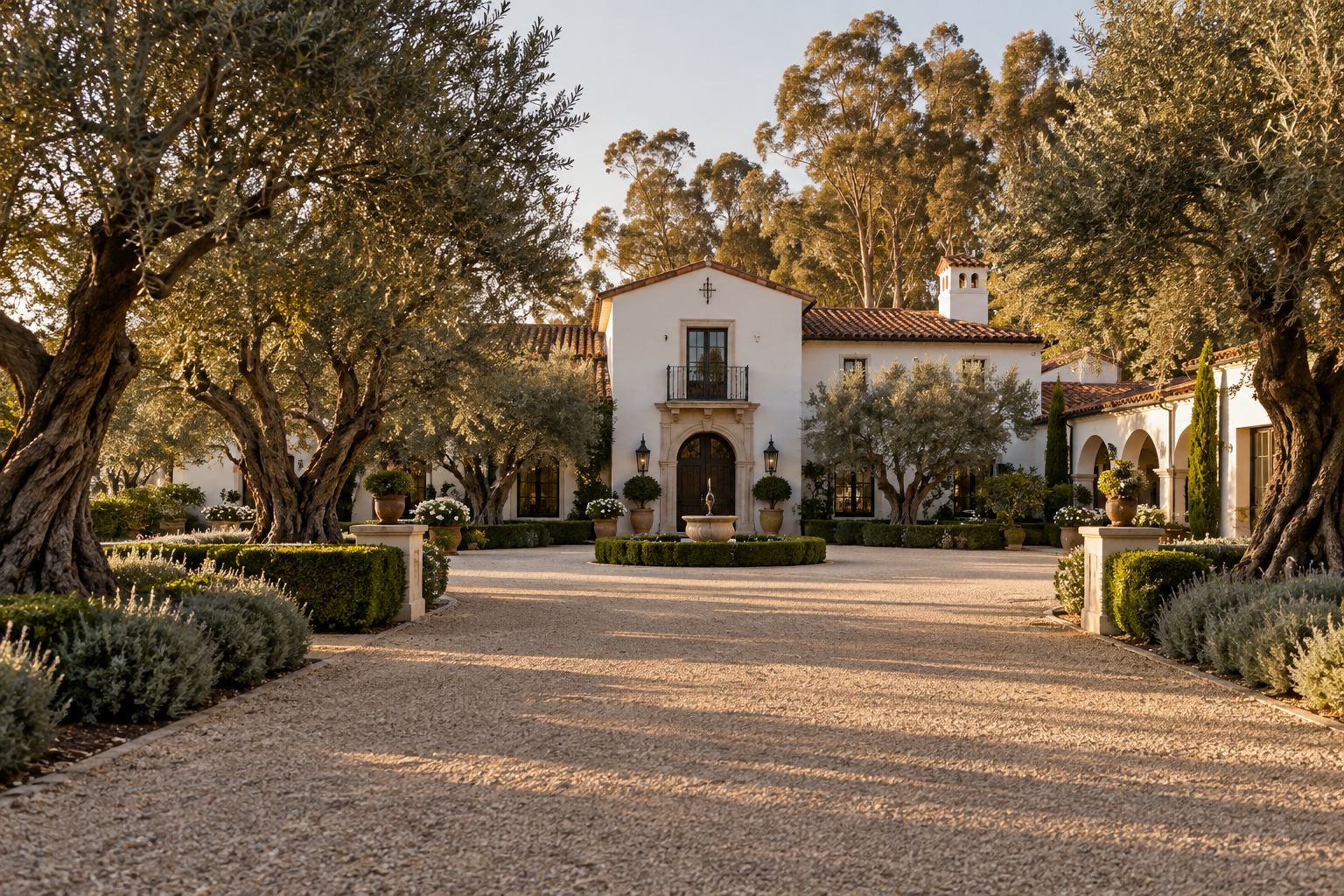
Most homes are priced the same way: find recent sales that look similar, adjust for size and condition, and land on a number. For a typical house on a typical street, that works. For an architecturally significant home, an ocean view parcel, or an estate on acreage, it often does not. There may be no true comparable at all.
What the comps miss
Comparable sales describe the past. A distinctive property is valued by the small group of buyers who want exactly what it offers, today. Views, privacy, provenance, and the quality of the build rarely show up cleanly in a spreadsheet, yet they are usually what the eventual buyer is paying for.
- Scarcity: how often does a home like this actually come to market?
- Replacement cost: what would it take to build this today, on this land?
- The buyer pool: who is realistically searching for this property, and where are they coming from?
- Timing: what else is competing for the same buyer this season?
The right price is the one that brings the right buyer forward with confidence, not the highest number on a first draft.
Pricing as strategy
A price is also a message. Too high and a special home can sit, which invites the wrong kind of attention. Too low and value is left behind. A considered strategy weighs the data alongside presentation, launch timing, and how much privacy the seller wants during the sale.
Before any number is set, Aaron walks the property with the seller, studies the relevant sales and active competition, and talks through the likely buyer. The result is a recommendation with its reasoning laid out, so the decision stays with the owner.